Throw a wood
Woods don't run straight: the heavy side pulls them round as they slow. Pick a hand and a type of throw, aim a few degrees away from the centre line, hold Throw to build weight, let go. Four woods make an end. The lane is drawn the way Ben draws it in chapter 2.
The lane is longer than your screen: it scrolls sideways, and follows the wood while it runs.
Bowling as a practice, not a contest
“Competition spoils throwing. It's like making art competitive.”Ben Aardvark, chapter 1
Ben took up indoor bowls at 80 for the exercise. His first lesson reminded him of a judo kata he had done fifty years before, precise and choreographed, and when he asked whether a formal demonstration of bowling existed, the answer was no. So he designed one.
The kata is four ends of four woods: right-hand forehand, right-hand backhand, left-hand forehand, left-hand backhand. The first wood of each end becomes the target; the other three try to replicate it. It takes about ten minutes. Ben has been practising it three hours a week for two and a half years and has not yet performed it, which he says is rather the point.
Compared with normal bowling it gives you more throws per hour, more exercise per hour, no timetable, no opponent and no small talk. He thinks it is a meditation. If you dislike meditation, ignore that.
- Level 5The demonstrationfor instructors, students and masters
- Level 4Analysis of technique
- Level 3Meditationrepetitive, but it needs concentration
- Level 2Enjoymentthrowing woods is enjoyable
- Level 1Exerciseand the worse you throw, the further you walk
Ben's pyramid of the year 2026, from chapter 1. Most of the benefit is at the bottom.
The book
Eighteen short chapters, each a PDF, written on the assumption that you know nothing about bowling, as a conversation with an alien reporter called Bill. The pictures are Ben's own drawings. Tap a page to read the chapter, or download a copy.
 01
Introduction
Who Ben is, what kata bowling is, how it differs from normal bowling, and how to get started.
 02
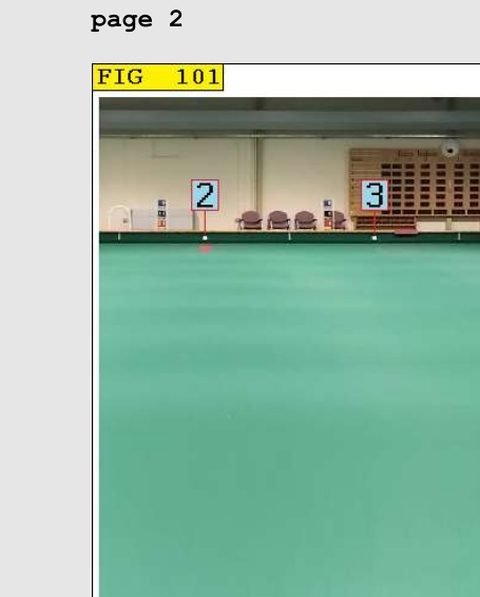
The green
The markings on the carpet: lanes, the T, the spots, the centre line, and why the pace changes from day to day.
 03
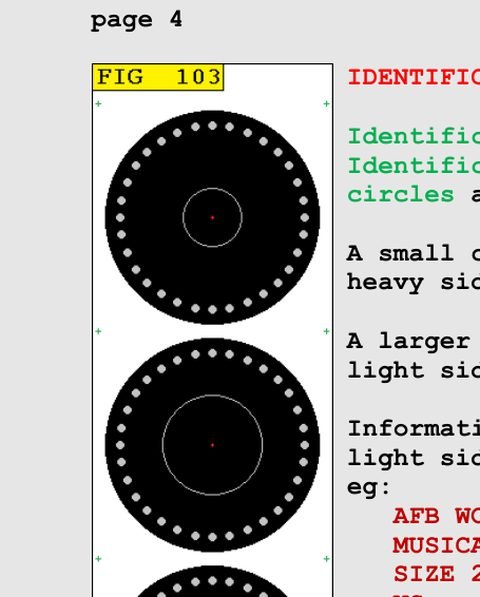
Woods
How woods are made, how to read the rings and markings, how they tilt and wobble, and what to buy.
 04
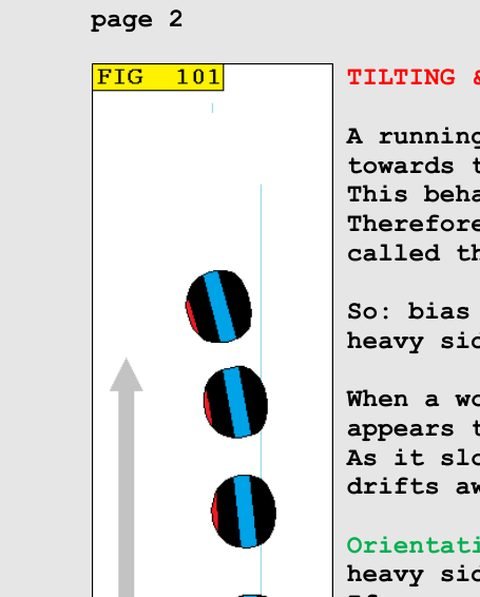
Bias
How woods behave after they have been thrown, and how to measure the bias angle of your own.
 05
Safety
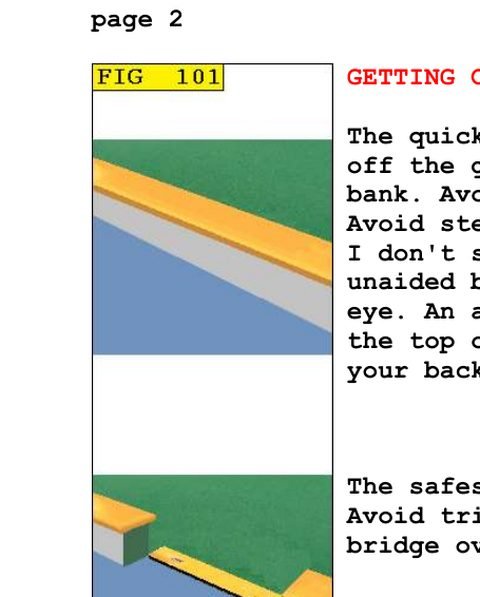
“The green is a jungle. This chapter will help you survive.” Getting on and off the green, and what to avoid once you are on it.
 06
Etiquette
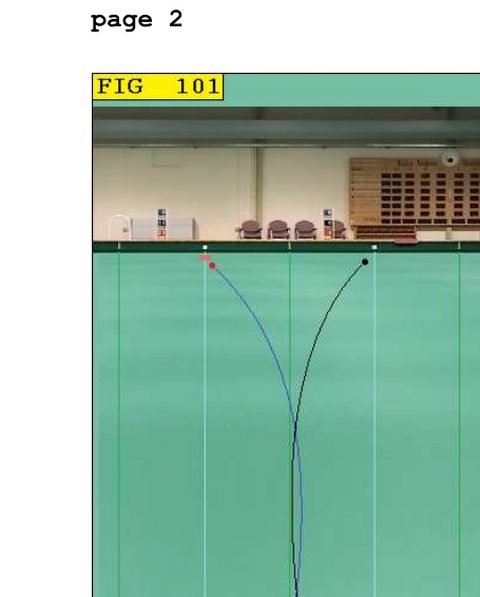
Respecting other bowlers. And aliens. Nine etiquette rules, what makes a throw safe and legal, and three general rules.
 07
Types of throw
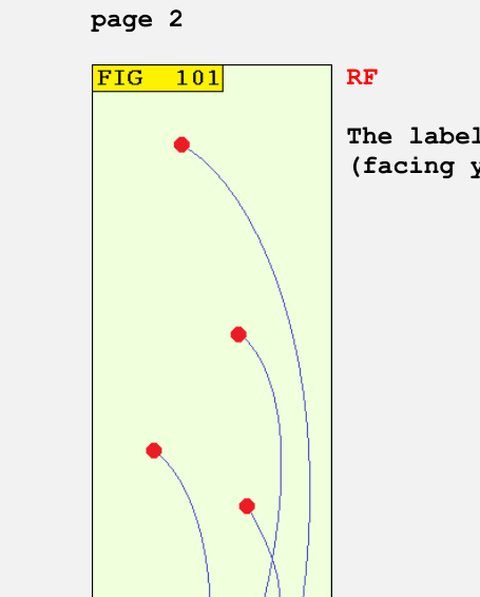
Forehand and backhand, left and right; safe, visiting and invasive woods.
 08
The kata
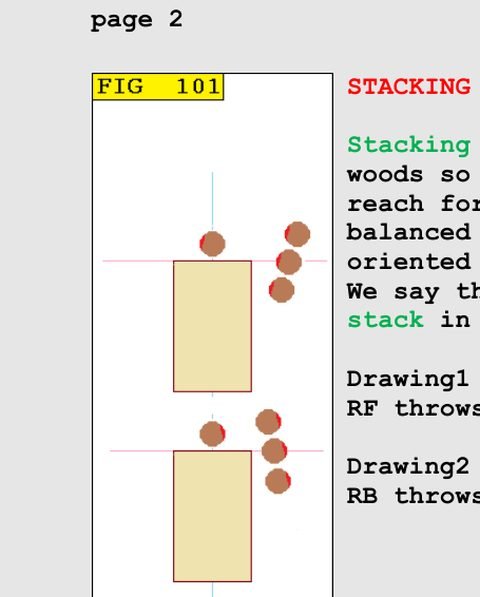
Four ends, four woods each. Stacking, the four principles of the kata, and its variants.
 09
Styles of throw
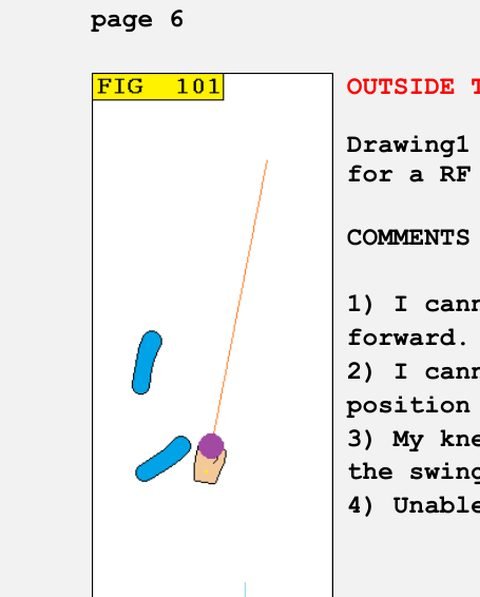
Outside, inside, leg and foot styles judged against eight criteria, and why the inside style wins.
 10
Principles
The ten principles of kata bowling. Define everything. Throw safely. Justify. Be honest. Have ten principles.
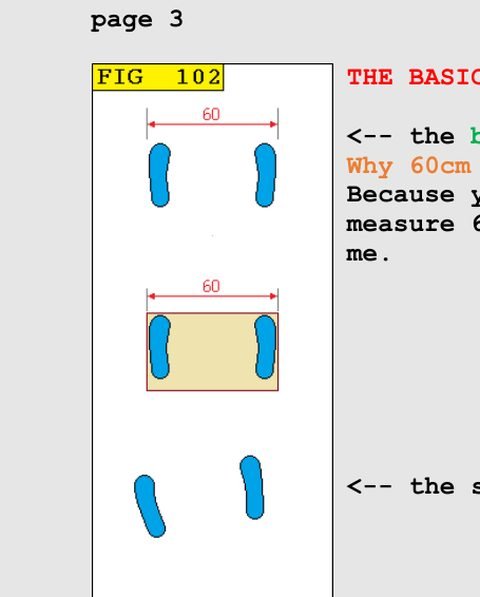 11
The elements
Grab, grip, stance, position, squat, hover, heading, backswing and forward swing, one at a time.
 12
The formula
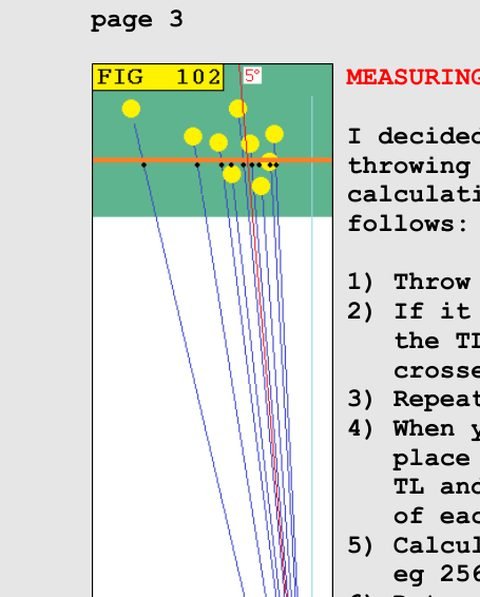
The fundamental formula of bowling, and how Ben found the alpha error by throwing jacks at the one-metre spot.
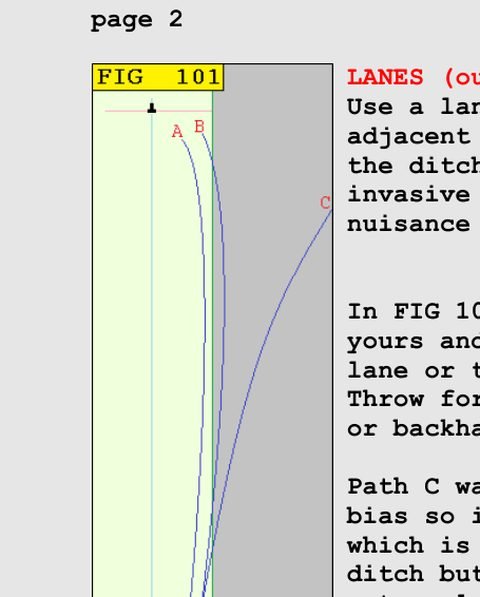 13
Safe throwing
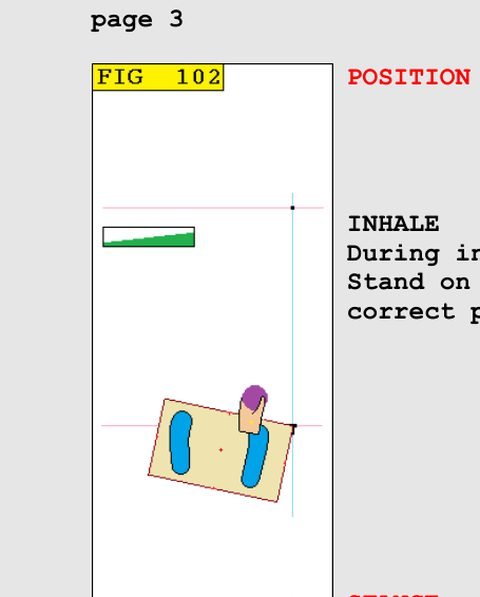
Level 1: throwing from T to T and keeping every wood inside your own lane.
 14
Breathing
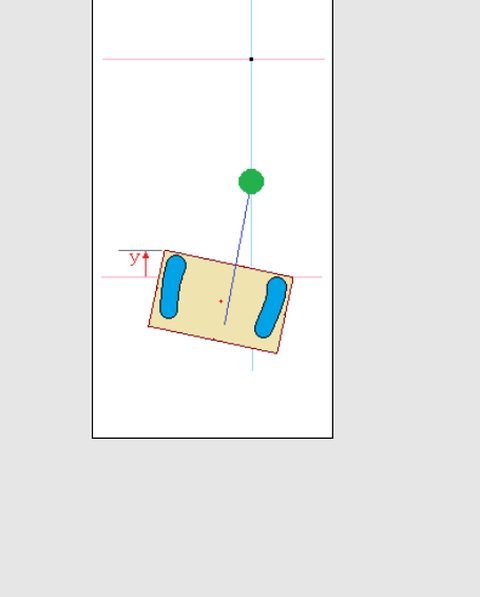
When to inhale and when to exhale, element by element.
 15
Base throws
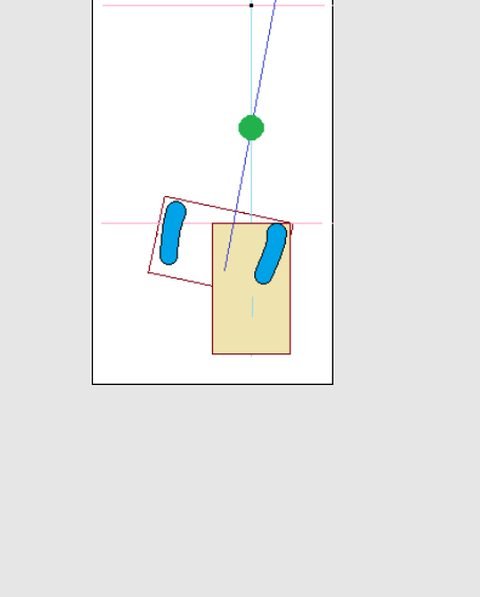
The throw every other throw is built from: contact point on the centre line, wood arriving just in front of the far T.
 16
Match throws
Making it legal: from base throws to match play, with the mat in a legal position and the gizmos put away.
 17
Viewers' questions
Ben answers questions from viewers. Does practice make perfect? How far do woods really run straight?
 18
Index
Every term in the book, with its chapter and page.
There is also a one-page cover page listing the chapters.
δ = β − α
The fundamental formula of bowling, from chapter 12. The angle you must throw at (δ) is the bias of your woods (β) corrected for the angle you throw off by without meaning to (α). Ben measured his own by throwing jacks at the one-metre spot and marking where they crossed the T line with coins.
Never bowled?
Indoors or out
Many bowlers play outdoors in summer and indoors in winter. Grass needs more force, and the carpet markings are absent on grass. Kata bowling is indoors, all year, whatever the weather.
Find a club
There are more outdoor than indoor clubs. Most clubs give beginners a few free lessons; the first covers how not to injure yourself, then how to grip and throw.
Ask about footwear
You will need flat-soled shoes that have not been worn outdoors. The club will lend you woods for your lessons; a pre-loved set of your own can cost as little as £40.